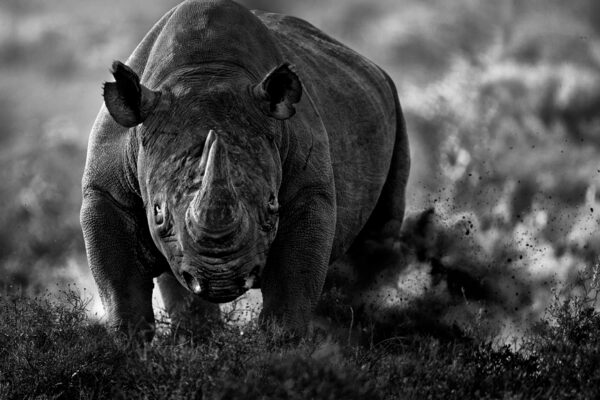
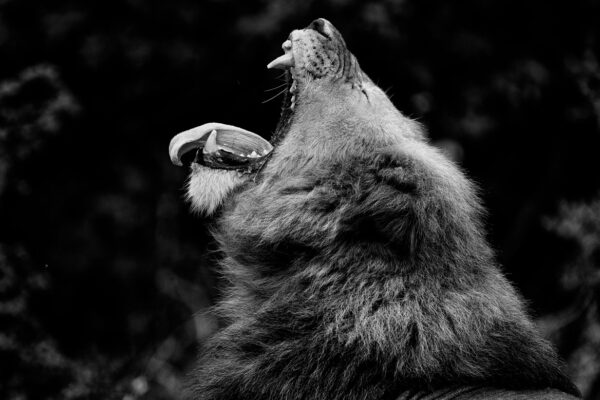
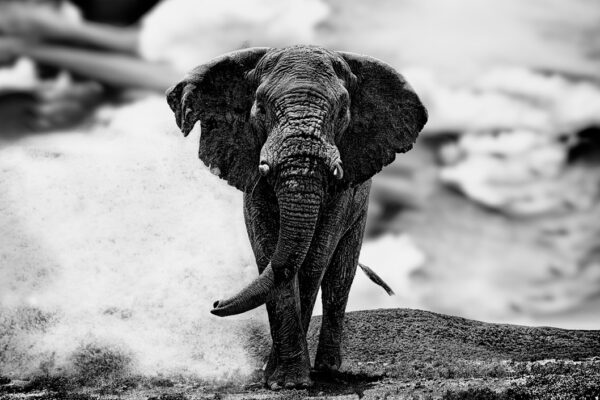
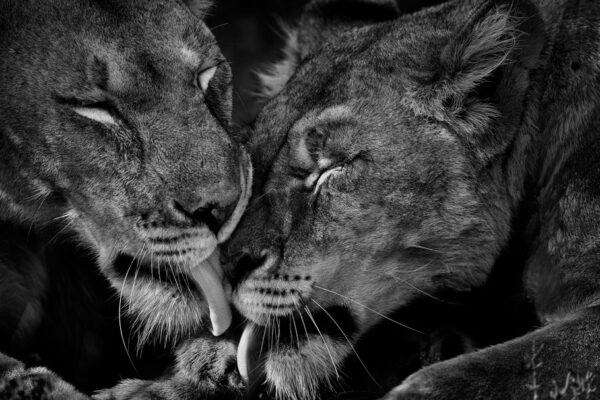
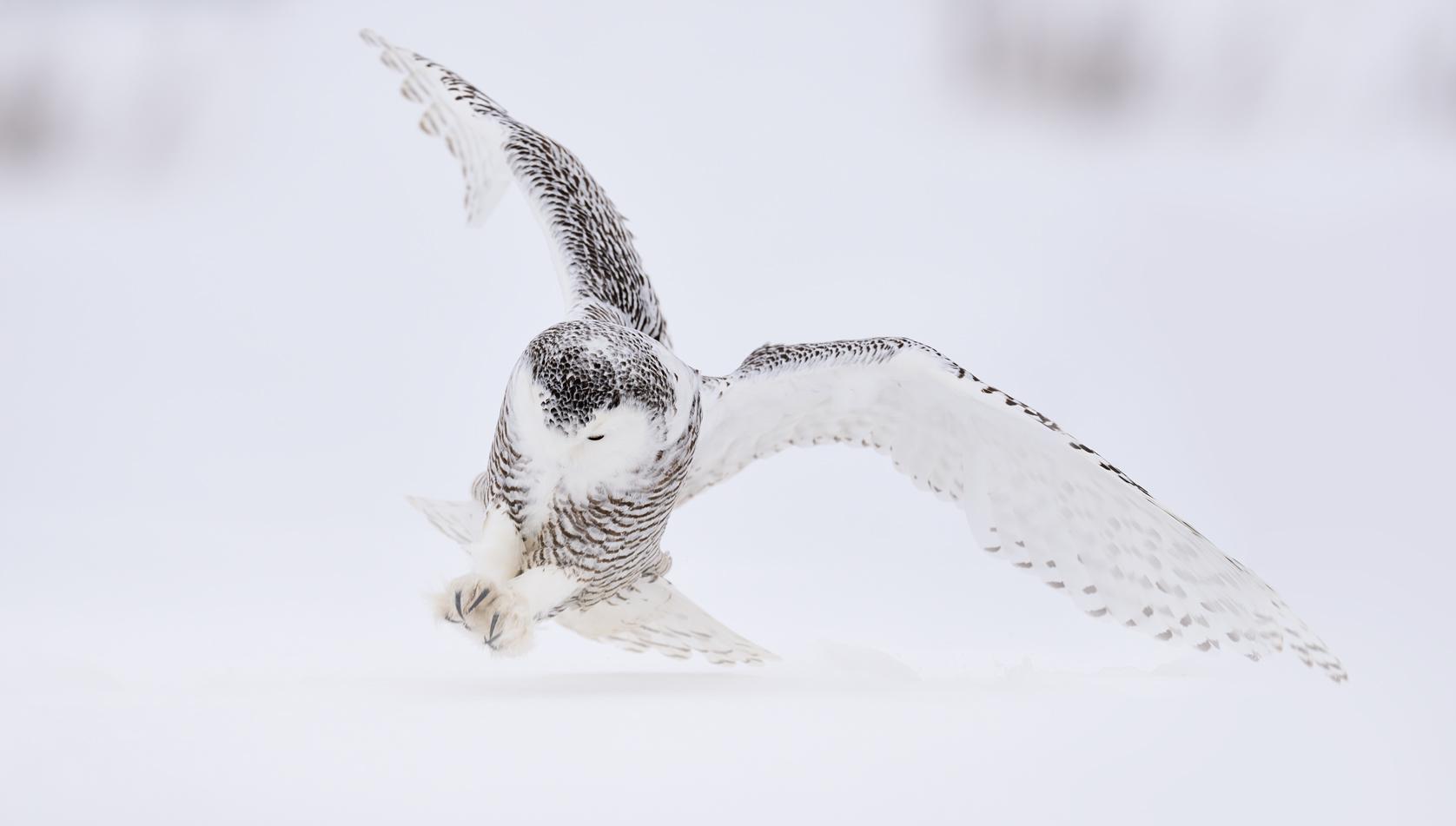
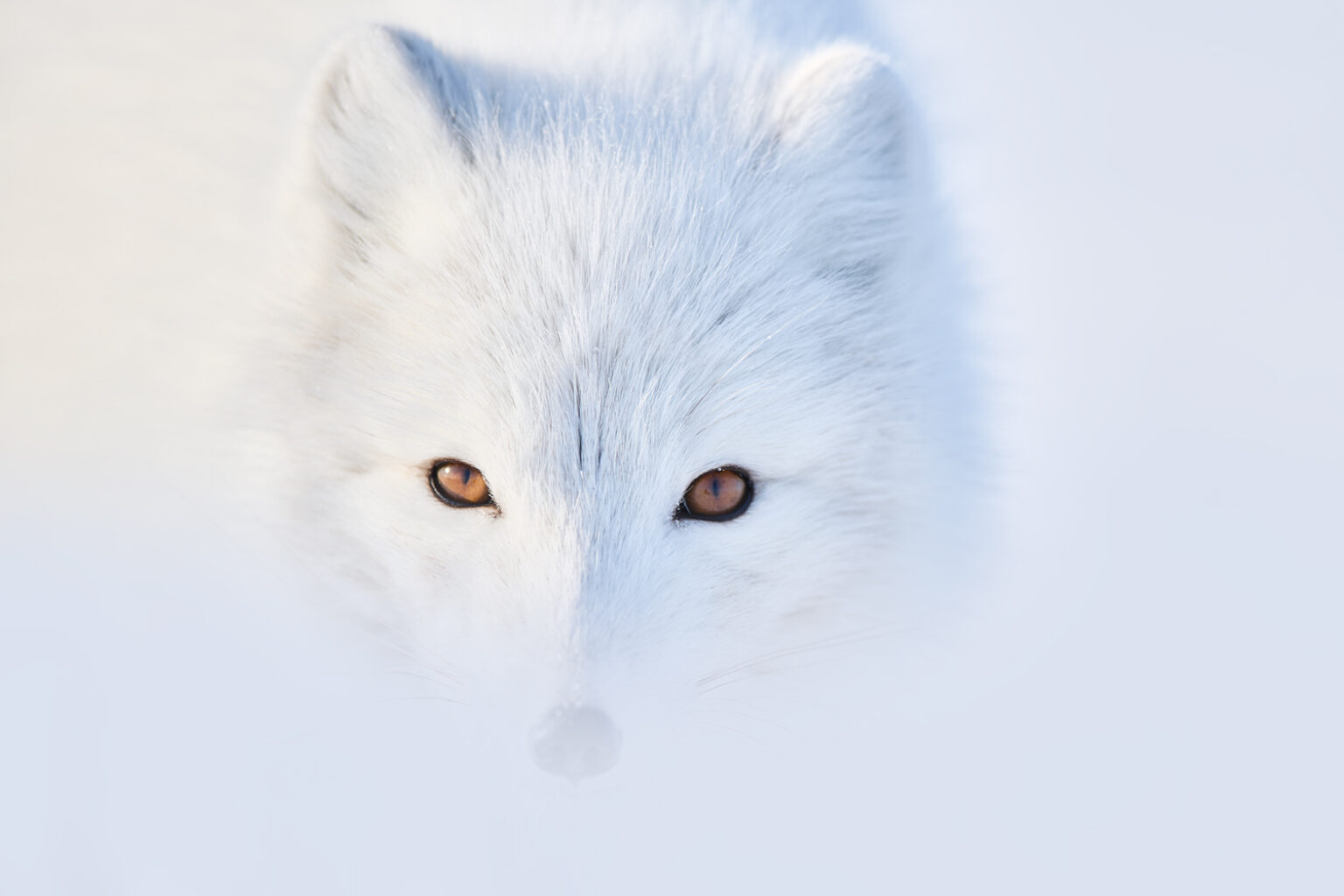
The Kalahari: A Study in Raw Elegance & Quiet Power
Limited Edition Fine Art for Discerning Interiors
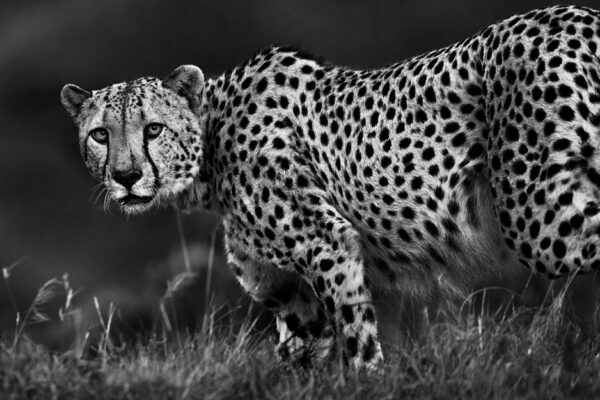
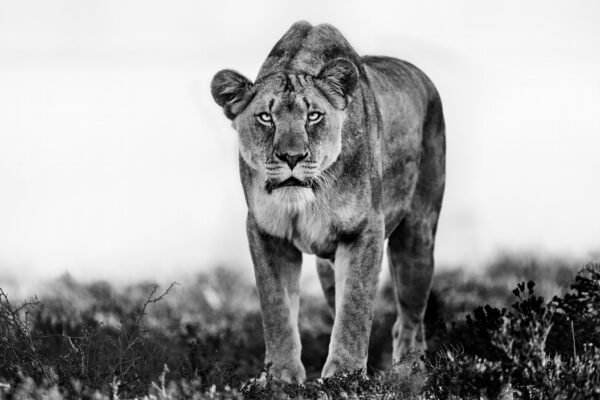
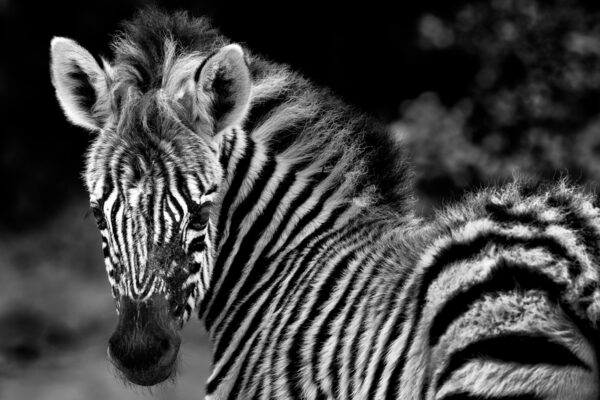
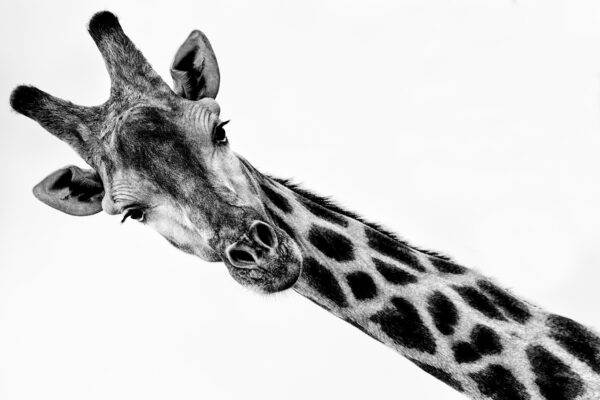
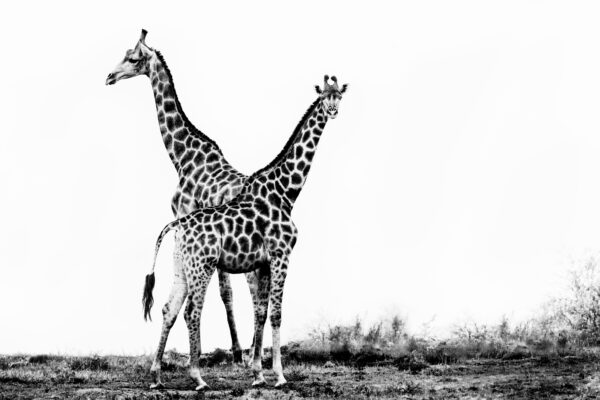
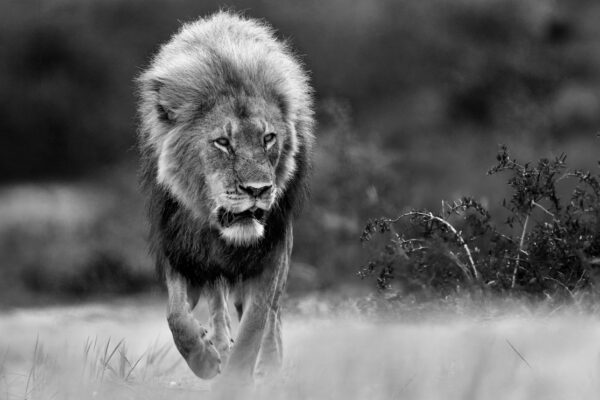
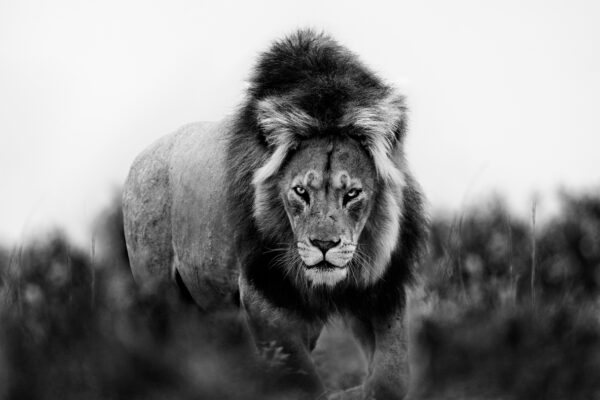
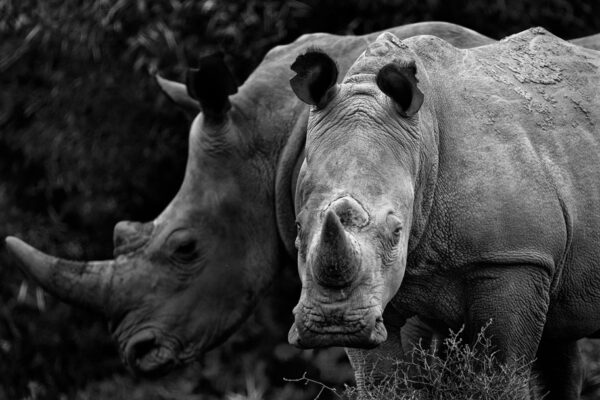
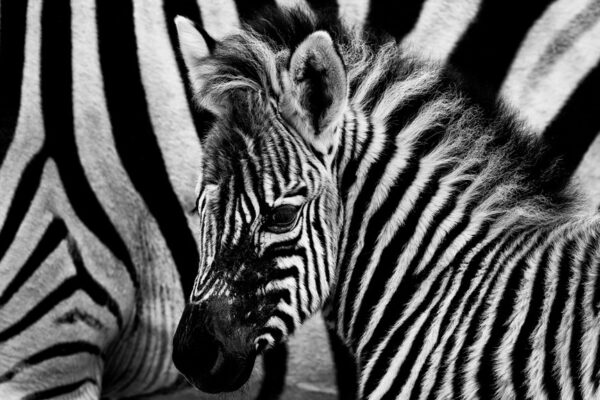
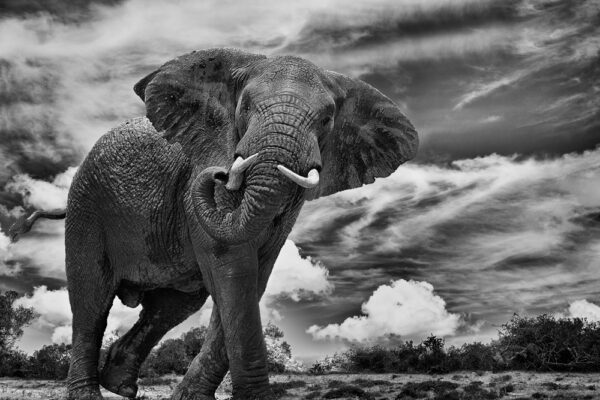
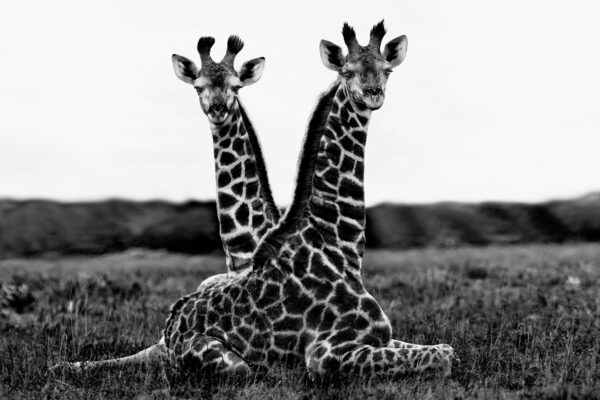
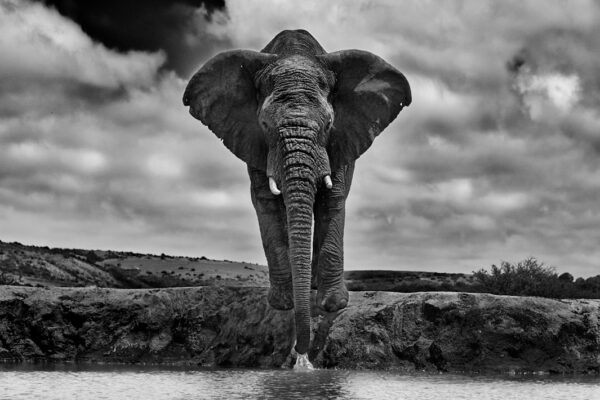
This curated collection of Kalahari fine art is a dialogue between the vastness of Africa and the visceral presence of its apex inhabitants. Created for collectors and interior architects who prioritize depth over decoration, these works capture the stark textures and subtle tonal shifts of one of Earth’s most unforgiving landscapes.
These are not merely photographs; they are architectural anchors designed to bring a sense of grounded elegance and timeless scale to both private residences and professional suites.
The Curation
Moving beyond traditional wildlife narrative, this body of work focuses on the emotional gravity of the subject. Each photograph in the Kalahari Collection has been selected for its ability to transform an environment. As unified, limited-edition releases, these pieces serve as silent, powerful sentinels within a thoughtfully composed space.
Museum-Grade Execution
To match the prestige of the imagery, each work is rendered using the world’s finest archival materials. Utilizing Kodak Metallic media paired with premium plexiglass finishes, the prints achieve a depth of field and a luminosity that mimics the African light itself.
The result is a large-format masterwork that preserves the richness of every fine texture, ensuring museum-level visual integrity for generations of collectors.
The Artist’s Perspective
“My approach to the Kalahari is one of artistic intentionality and restraint. The wildlife here does not demand attention; it commands it through scale and atmosphere. These works reflect a deliberate focus on the quiet tension between the predator and the infinite horizon. I aim to present imagery that is architecturally harmonious—art that doesn’t just sit on a wall, but belongs to the room.”