
Create a space that celebrates the natural world and marvel at wild animal life with fine art photography. Use wildlife fine art photography to decorate your home or office space, elevating the decor by carefully selecting stunning images of wildlife in their native environment. This approach not only enhances the aesthetic but also brings to life the captivating beauty of nature’s creations. By incorporating such works into your home or office space, you can experience an emotional connection to our great outdoors while enjoying beautiful artwork that transforms and personalizes your surroundings!
Key Takeaways
-
Selecting wildlife fine art photography can reflect personal taste and create a visually stunning display.
-
Consider the artist’s vision, wall space, scale & impact, color harmony, and remember that quality and durability matter when selecting prints for your home.
-
Invest in sustainable materials from ethical photographers to support conservation efforts while enjoying beautiful artwork.
Embracing the Wild: Selecting Wildlife Fine Art Photography
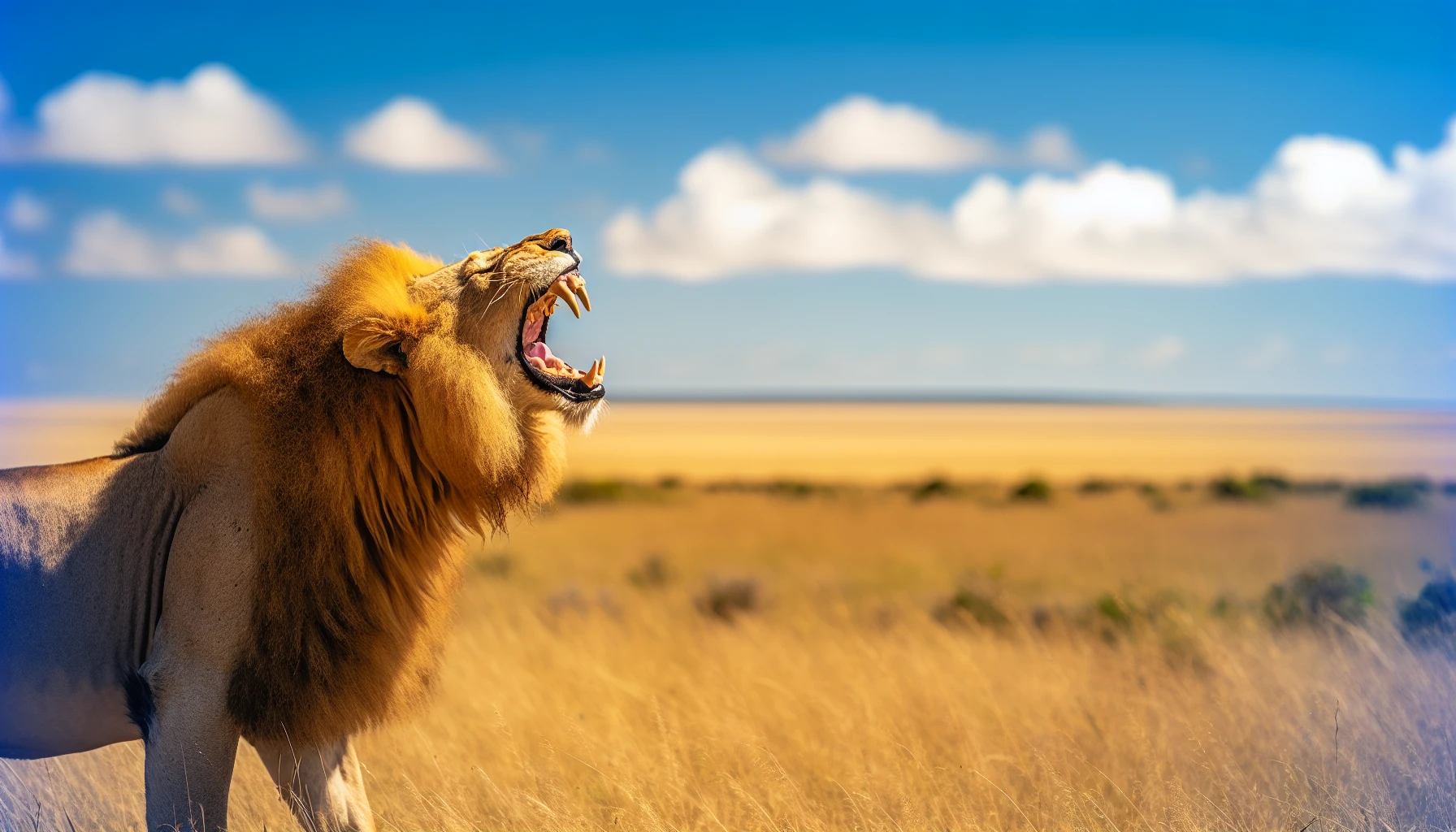
Having an appreciation for fine art photography and the artist’s vision behind each work allows you to build a collection of stunning fine art photographs that best reflect your personal style, creating harmony in your space. Take time to explore different genres and perspectives in wildlife photography, as this will give you valuable insight into finding prints with great artistic value.
Understanding Wildlife Genres
The world of wildlife photography is vast and provides endless opportunities for creative expression. Whether you are interested in bird photos, nature images, landscape photography, abstract photography, landscape scenes, or animal portraits, all these genres have their own set of techniques that can help bring out the beauty captured within each shot. Exploring these different branches—including the modern, energetic style of abstract photography and the classic appeal of landscape photography—allows one to better appreciate the artistry behind stunning prints showcasing a genuine love for our natural environment. Taking a course in fine art or photography can also deepen your understanding of these genres and help you make more informed choices. Through careful observation, it’s possible to find prints depicting incredible glimpses into this wild side we often don’t get to see firsthand, truly representing your enthusiasm for the wilderness around us.
The Artist’s Vision
When it comes to choosing artwork that features wildlife, the artist’s vision is of utmost importance. It’s their creative interpretation and personal point of view that determines things like composition, lighting, etc. Seeing from this artistic perspective helps select prints with greater emotion or purpose. These photographs stand out as abstract pieces, and darker images in particular can add depth and create a more pronounced visual effect, offering a sense of profundity beyond traditional photography used solely for depiction purposes. Selecting the right photograph is essential to achieve the desired emotional or artistic effect. With fine art photos, you can expect an experience far more stimulating than a mere portrayal of reality alone could provide.
The Right Fit for Your Space
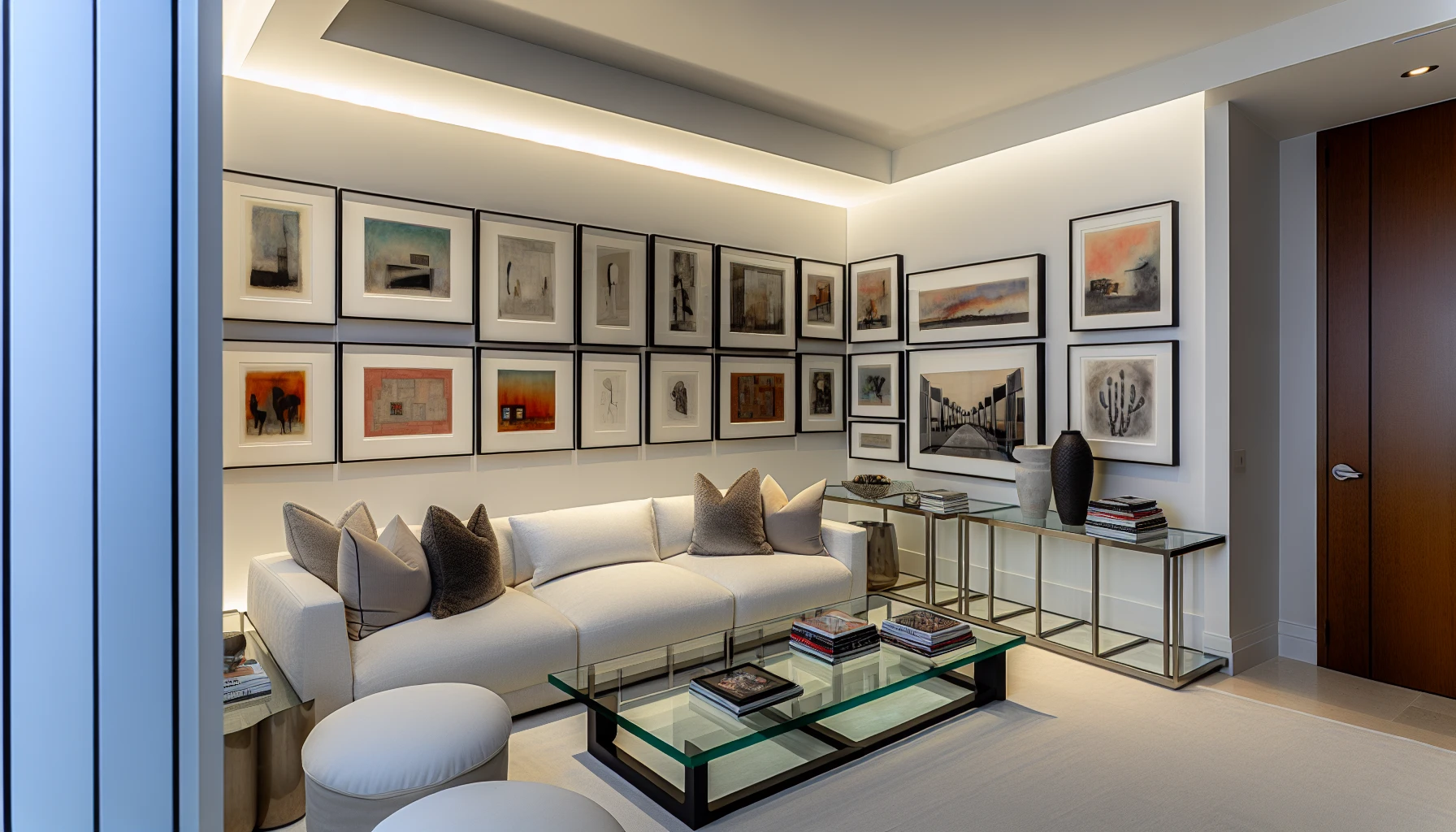
When choosing a wildlife photo print for your room, consider factors such as available wall space and the impact the scale of the picture will have on your existing decor. For a large wall, you may want to select a bigger print or group several smaller photo prints together to create a visually balanced and striking display. Room lighting must also be considered so that any chosen picture expresses personal taste while fitting appropriately within its designated environment.
Considering Wall Space
In order to craft an aesthetic space, assessing the size of your walls and nearby furniture is key. By taking into account all elements in the room, you can decide on a wildlife print that won’t overwhelm it while still highlighting its beauty. When arranging your artwork, be sure to leave a little space between the piece and surrounding furniture to achieve a balanced and visually pleasing display. Wall art such as this should be chosen thoughtfully so that it complements existing wall space without detracting from other pieces around it or cluttering up the area with too much artwork.
Scale and Impact
When designing a room, the scale and effect of choosing wildlife photographic prints is important. By considering this carefully, you can create an attractive and captivating display. Large-scale photographic prints may give off a more intense atmosphere, while smaller photographic prints can be much subtler in their composition. This helps bring harmony into your space by correctly using the visual elements selected from the chosen photographic prints.
Color Harmony in Wildlife Imagery
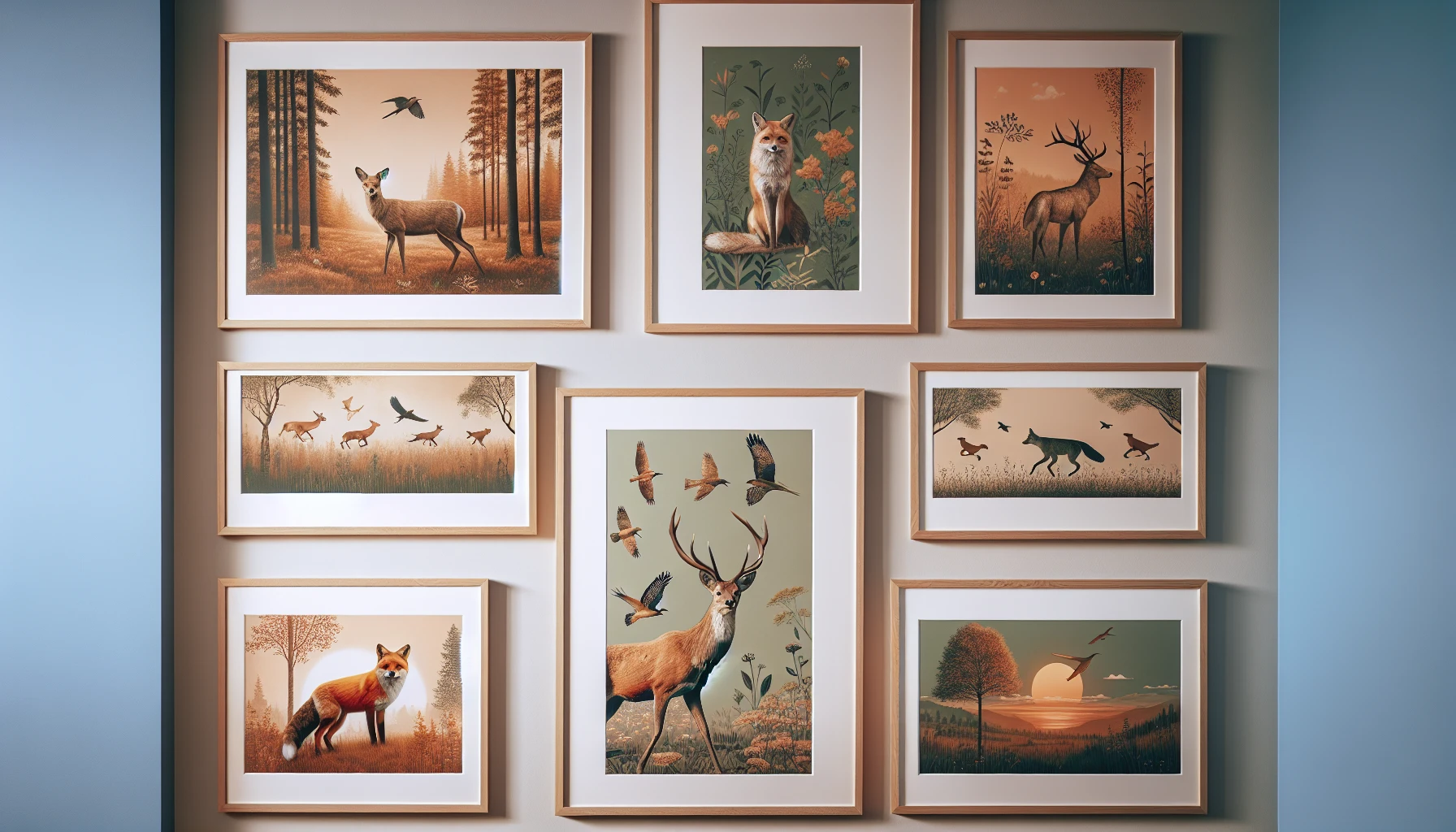
When it comes to wildlife fine art photography, color plays an essential role in the way that prints and pictures are experienced and perceived. With regard to personal style and home décor, curating a beautiful display can be done by matching colors within the artwork and pictures, as well as setting moods through varying hues.
Matching Colors
Creating a unified atmosphere in the office or home is key to selecting wildlife prints that feature colors that fit with your existing decor. You can go bold and choose vibrant shades, or opt for more subtle tones – whatever look you are after matching hues will help make an appealing display. By aligning them color-wise, it’ll be easy for these pieces of art to become part of your space!
Mood Setting with Color
When selecting wildlife prints, the shades of color play an important role in designing a space that is personally satisfying and reflective of individual style. Cool hues such as blues and greens may contribute to creating a tranquil setting while vibrant colors can be used for crafting an invigorating atmosphere. Choosing art pieces with tints appropriate to achieve the desired ambiance will lead to engaging visuals that resonate emotionally.
Quality Matters: Investing in Premium Wildlife Prints
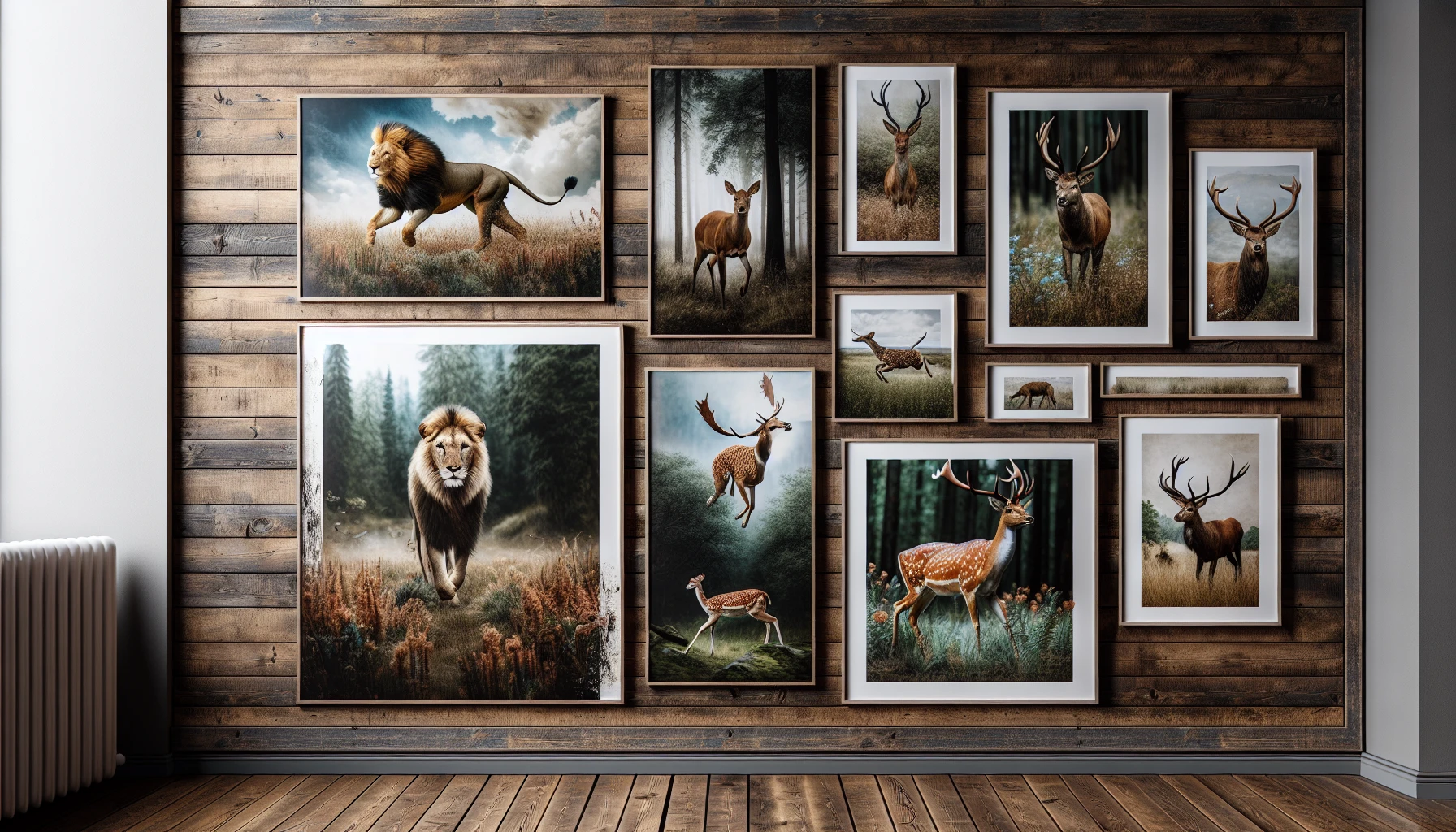
To guarantee lastingness and value, investing in superior wildlife photography prints is essential. By opting for premium artwork created with durable substances and acknowledging the originality of the print, you will enjoy your chosen wildlife fine art photo production for many years to come.
Print Material and Longevity
Choosing an archival paper type, like canvas or cotton rag material, for your wildlife art print is essential to ensure it will remain intact in terms of color and texture over time. An investment such as this gives a lasting effect that preserves its original beauty with no fading, cracking, or discoloration occurring.
Print longevity should be taken into consideration when selecting fine art prints so the aesthetic value remains even after years have passed by. Offering both quality and satisfaction from purchasers who appreciate wildlife artwork.
Authenticity and Value
When considering a purchase of wildlife art prints, it is essential to ascertain their authenticity and value. Limited edition fine art photography prints guarantee that each print bought will be unique instead of mass-produced. Making them more valuable and exclusive. Supporting photographers who follow ethical guidelines can help in conserving wildlife habitats— increasing your investment’s value as well as overall significance.
Lighting Considerations for Wildlife Artwork
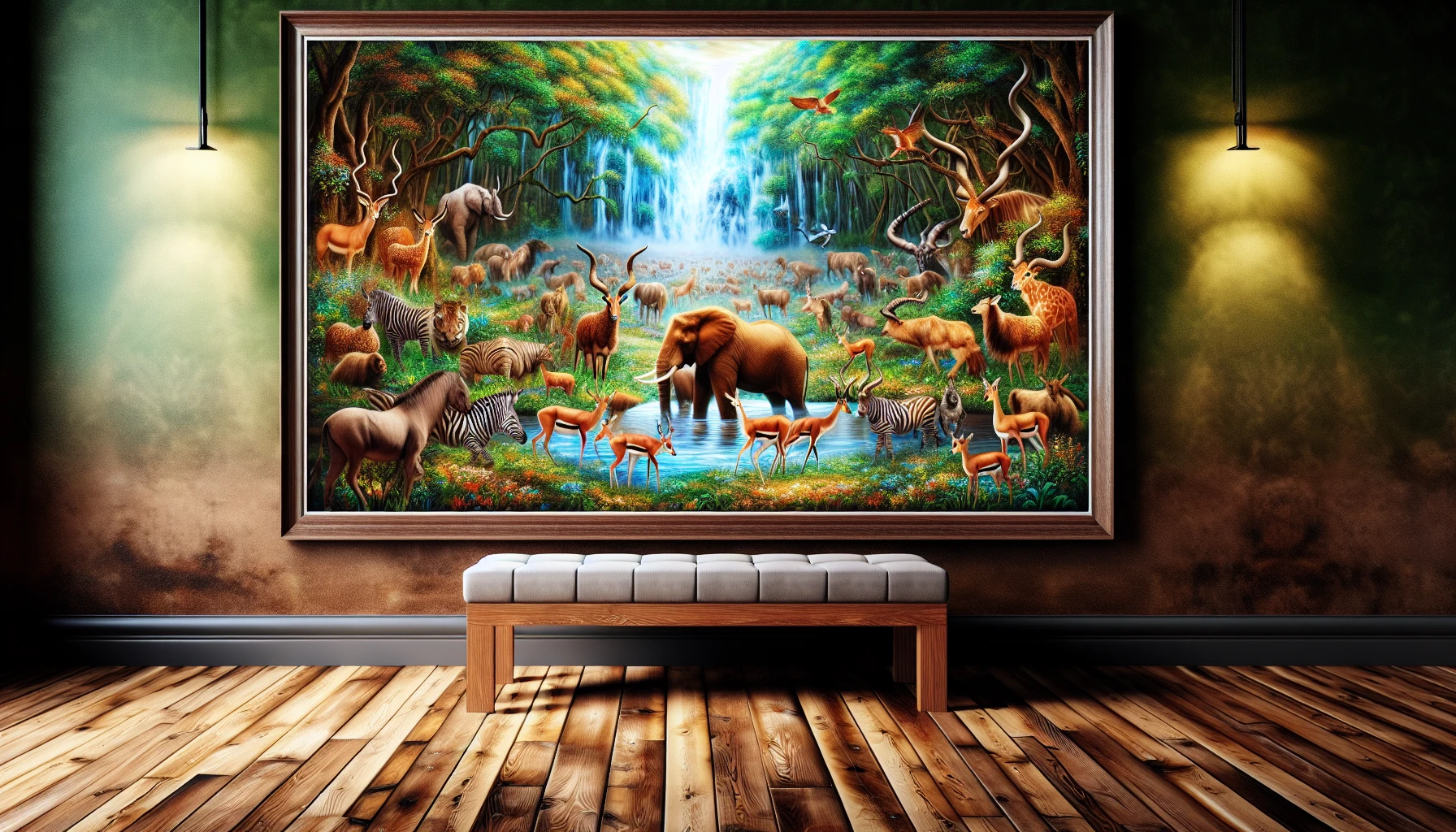
When decorating with a wildlife print, it is important to take into account the room lighting in order to both bring out its vividness and preserve it. Explore various lighting options, such as spotlights, track lighting, or picture lights, to enhance the appearance of your wildlife prints and make them stand out. One should keep the artwork away from direct sunlight, but consider carefully how different types of light affect what one sees in their room so that they can enjoy their print for many years.
Room Lighting
Lighting for the room is significant in improving how your wildlife print looks. Use lighting that emphasizes the colors and details of the artwork without causing any glare or dark shadows.
Try various types of light such as LED lights and adjustable fixtures to craft an atmosphere perfect enough to show off this unique piece with wildlife on it. Room illumination plays a key role in creating ideal viewing conditions while appreciating nature’s beauty showcased through art prints!
Protecting from Direct Sunlight
Protecting your wildlife art from the direct rays of the sun is a must in order to avoid fading and harm. Hang it far away from windows or any other bright light, maybe employing UV-guarded glass or transparent films that absorb ultraviolet radiation on windowpanes for more assurance against damage. Such steps ensure the preservation of beauty as well as the quality of the wildlife print for an extended period.
Creating a Thematic Collection
Designing a wildlife-based set of prints can make for an eye-catching and unified display that communicates your enthusiasm for the environment. For example, you might group prints featuring birds in flight together, using similar color tones or framing styles to create a cohesive collection. By opting to curate pieces with similar themes, adding focal points, and accentuating certain elements, you can assemble a visually striking arrangement that captures attention and inspires wonderment.
Cohesive Themes
Creating a collection of wildlife prints with an overarching theme, like animals native to one area or different aspects of the same species, can result in visually appealing and coherent artwork. Focusing on such commonalities makes for a more unified expression that reflects a passion for nature’s living beings.
Focal Points and Accents
A visually compelling and lively wildlife print series can be crafted by selecting a main artwork with a strong focal point, supported by suitable accents. The placement of the prints should be determined with attention to producing a balanced display that reflects admiration for wildlife. The focal point draws attention and serves as the central visual element, while subtle accents add more dimension to the presentation, making it aesthetically pleasing. By carefully creating this combination, an attractive collection will result for viewers to fully enjoy its beauty.
Positioning and Presentation
When showcasing wildlife prints, it is essential to consider how they are arranged and presented in order for them to have the best effect on viewers. You can browse a dedicated website to find a variety of wildlife prints for your home, making it easy to select pieces that suit your style and space. Placing selected pieces with visual balance and incorporating framing or mounting techniques can contribute significantly towards adding aesthetic appeal that enriches not only the artwork but also its environment.
Visual Balance
When creating a visual presentation with wildlife prints, it is important to arrange them in such a way that evens out the visual weight and forms an attractive composition. This could be done through symmetrical or asymmetrical elements that guide viewers when admiring your display. Making sure balance is achieved helps ensure its aesthetic appeal and adds more impact to each chosen print.
Framing and Mounting
When it comes to enhancing the presentation of wildlife prints, selecting a framing and mounting option that works in harmony can give your display an attractive and polished finish. Traditional frames, gallery frames or shadow box options all serve to add depth for this purpose. Creating a visually stimulating aesthetic with the right choice of frame is essential when exhibiting these types of artwork.
Incorporating Wildlife Art into Various Decor Styles
By working with an interior designer, art featuring wild animals can be tailored to fit any style for a customized and unique wall display celebrating the beauty of wildlife. Whether displayed in your own home to create a sense of comfort and emotional connection, or in an office space to inspire and enhance the ambiance, incorporating such prints adds a charm that showcases nature’s grandeur.
Style Adaptability
Creating a stylish display of wildlife prints that is personalized and fits the decor style of your home can be accomplished by carefully selecting colors, textures, and visuals to match. By combining these elements in an aesthetically pleasing way, you are able to showcase your love for animals while also presenting it with respect to existing furnishings.
Blending with Existing Decor
When selecting wildlife prints, art can be combined with the rest of your decor to create a unified look. Colors should fit together and patterns that work well amongst existing furniture must also be considered in order for this effect to occur. Textures from accessories or wall coverings may add visual interest that blends into one cohesive space when paired with thoughtfully chosen art prints. By making these mindful choices, you will end up creating an atmosphere featuring both style and harmony within your home environment!
Ethical and Sustainable Art Choices
When choosing wildlife prints for your home, it is essential to consider options that are both ethical and sustainable. Photographers of these scenes must exhibit responsible behavior towards the environment in order for us to fully appreciate their beauty while also helping ensure the preservation of nature’s creatures as well as their habitats.
Supporting Wildlife Photographers
Supporting photographers who practice responsible photography for wildlife conservation is essential. By buying prints from those dedicated to the well-being of animals and their environment, we can preserve nature while encouraging passionate artists with a love of the natural world.
Eco-Friendly Practices
When obtaining and showcasing wildlife prints, selecting eco-friendly methods and supplies helps to protect the environment as well as support a sustainable art industry. Consider choosing prints produced from recycled paper or plant inks, then think about framing with materials that are environmentally friendly too.
By making conscious decisions when buying fine art photography of wild animals, we can get pleasure from its beauty while reducing any negative environmental effects simultaneously.
Summary
When selecting prints featuring wildlife art photography that align with your passions and tastes, taking into account space requirements, colors for harmony, plus ethical sustainability options to create a collection of stunning visuals connected to the beauty of nature can produce an aesthetically appealing atmosphere in any home.
Frequently Asked Questions
What is the best mode for wildlife photography?
When it comes to wildlife photography, the most effective setup is aperture priority coupled with auto ISO and continuous shooting or burst mode. This allows for perfect exposure while you are able to rapidly take images of an animal in motion. Through this system, photographers can easily catch fleeting moments that animals provide before they disappear again into their habitat.
What makes a good wildlife photo?
When photographing wildlife, the best results can be achieved by using side lighting when the sun is low in the sky and selecting a wide aperture to help bring focus to your subject. Try and choose an uncluttered background that won’t detract from your shot.
Is wildlife photography the same as nature photography?
The beauty, emotions, and behaviors of wild animals are captured in wildlife photography, whereas nature photography focuses on the components of nature. Both types of photography require an artist’s eye to capture the intricacies and nuances that can be found both within wildlife creatures as well as elements from natural environments.
What is the best ISO for wildlife photography?
For wildlife photography, 400-800 ISO gives the perfect combination of low noise and desirable image quality. It’s essential to strike an ideal balance between these two aspects in order to capture the best possible photos.
What factors should be considered when selecting a wildlife fine art print?
When thinking of a wildlife fine art print, the genre and artist’s visual intentions should be taken into consideration alongside ensuring that the colors work together in harmony as well as assessing both ethical sustainability and quality printing. All these elements are key to selecting an appropriate art piece for your wall space.