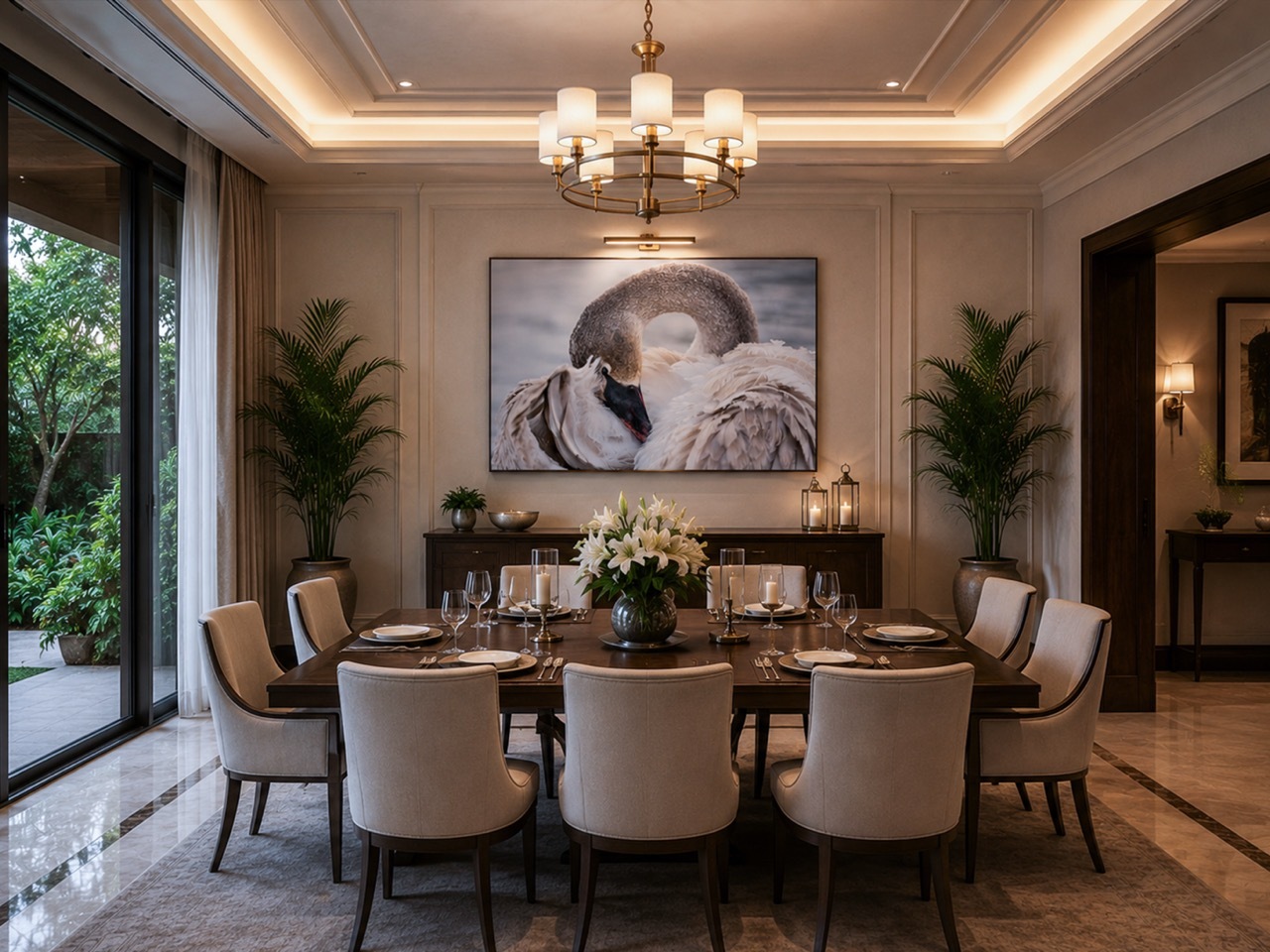
Where to Place Large-Scale Wildlife Photography in a Home
A stunning print finally arrives at the door. The crate gets opened, the photograph slides out, and the room almost holds its breath. Then comes the harder part. Where should it actually go?
This question stops a lot of collectors cold. Many homeowners invest in beautiful fine art wildlife photography prints, only to hang them in a spot that does the piece no real justice.
The art feels lost on the wall. Or sits awkwardly above a sofa that runs too short. Or gets washed out by sun pouring through the wrong window every afternoon.
That kind of disappointment quietly settles in after such a thoughtful purchase.
Why Placement Matters More Than Most People Think
Large-scale wildlife photography is not background décor. It pulls eyes across a room, slows conversations, and shapes the whole mood of a space.
Hang it well, and the room comes alive. Hang it badly, and even the most powerful image starts to feel like wallpaper after a week.
Bad placement quietly steals the magic. A breathtaking lion print stuck in a dim corridor gets walked past without a second glance. The same piece set above a softly lit fireplace becomes the heartbeat of the room.
The wrong room ages the print faster too. Steam from a nearby bathroom warps fine paper over time. Hot afternoon sunlight fades the deep blacks that give wildlife images their drama. Cluttered gallery walls drown out the quiet that one powerful image needs to truly land.
For anyone investing in luxury wildlife wall art, these small placement mistakes carry real cost. Resale value, insurance worth, and the daily emotional pull of the artwork all depend on how it gets shown.
The Living Room: Where Wildlife Photography Belongs Most
The living room remains the strongest spot for statement wall art for the living room. Guests gather here. Evenings stretch long here. The eye naturally drifts to the largest wall every time someone settles into the sofa.
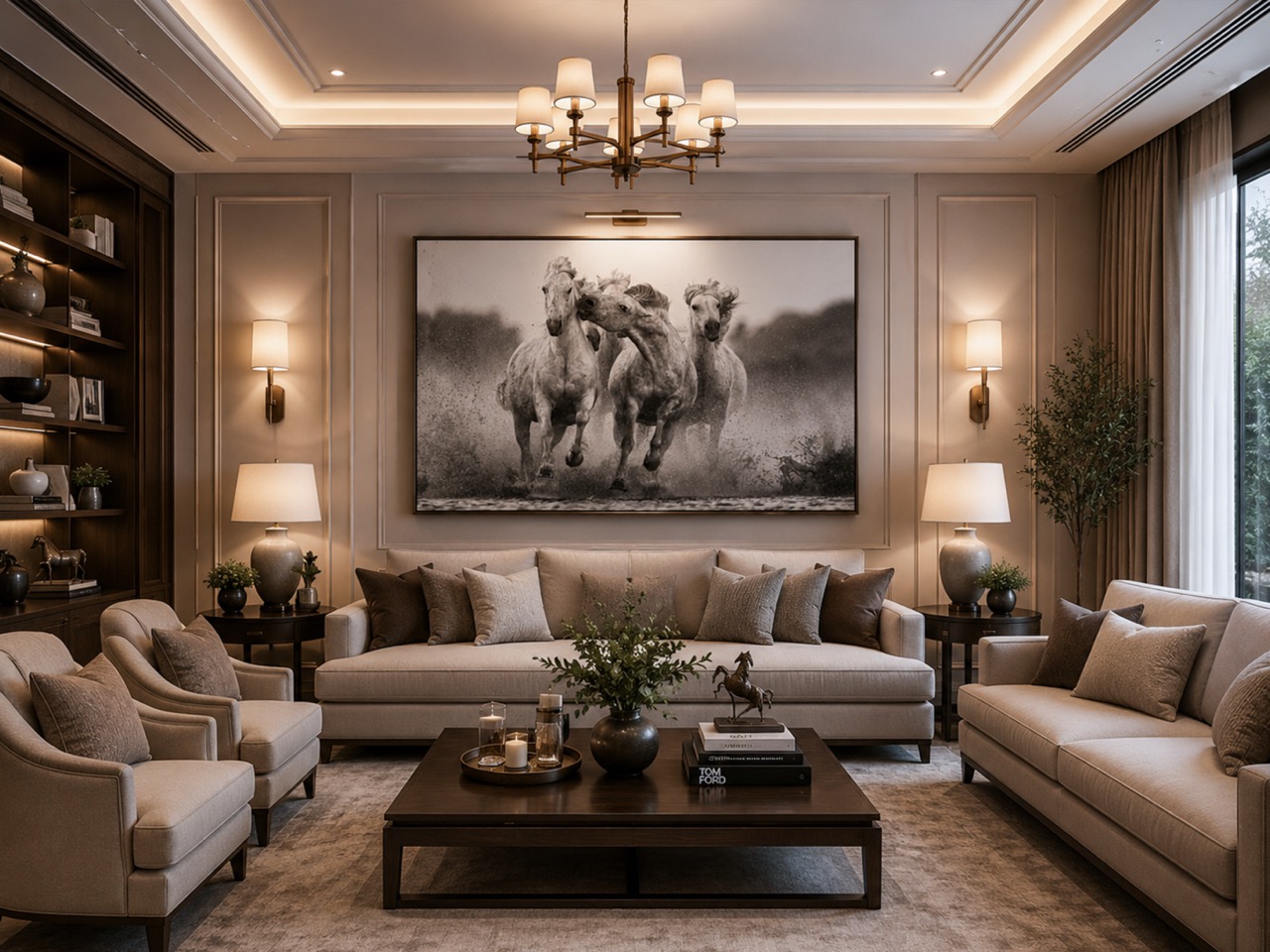
Wildlife art for the living room works hardest above a sofa, behind a console table, or as the single focal piece on a clean accent wall. Aim for a print that fills around two-thirds the width of the furniture below it.
Hang the centre of the image roughly 57 to 60 inches off the floor. That sits right at gallery height, and it works because the human eye naturally lands there when standing.
The Entryway and Foyer
First impressions move fast. A guest steps through the front door, and within three seconds, the home tells them what it values. Large wildlife wall art in a foyer makes a quiet, confident statement before anyone says a word.
A close-up of a snow leopard’s gaze, or elephants moving across open ground, sets a tone no other piece of décor can match.
Foyers also tend to have high ceilings and tall walls, so oversized wildlife photography prints actually breathe better here than in tighter rooms.
The Dining Room
Long dinners ask for art that holds attention through three courses and slow conversation.
A horizontal wildlife piece running parallel to the dining table pulls the room together beautifully. Keep it to one wall and one piece. Busy dining rooms feel rushed, which works against the warmth a good meal deserves.
The Master Bedroom
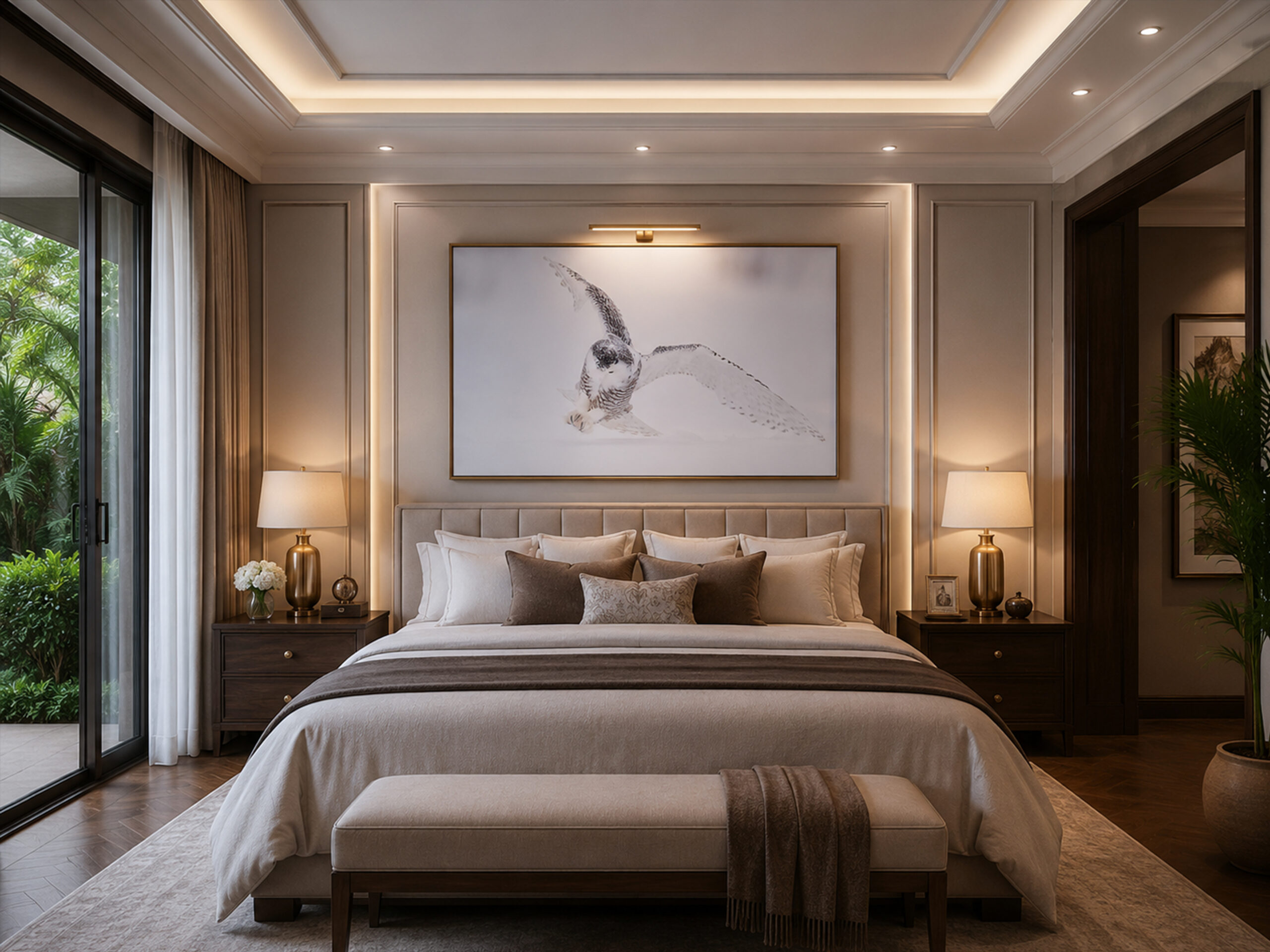
Bedrooms call for calmer subjects. Soft mornings with elephants in mist, a single bird gliding over still water, or a herd resting under quiet skies sit better above the bed than a roaring predator. The art should settle the space, not stir it up.
Staircases, Hallways, and Quiet Corners
Long hallway walls and staircase landings get ignored far too often. A vertical wildlife photograph hung where a staircase turns rewards anyone walking past with something worth pausing for. Just keep these spots properly lit, since natural light rarely reaches deep into hallways.
Lighting Wildlife Wall Art the Right Way
Even a museum-grade print loses something under bad lighting. Warm LED picture lights or recessed wall washers angled at around 30 degrees from above pull out the texture and depth of fine art wildlife photography prints.
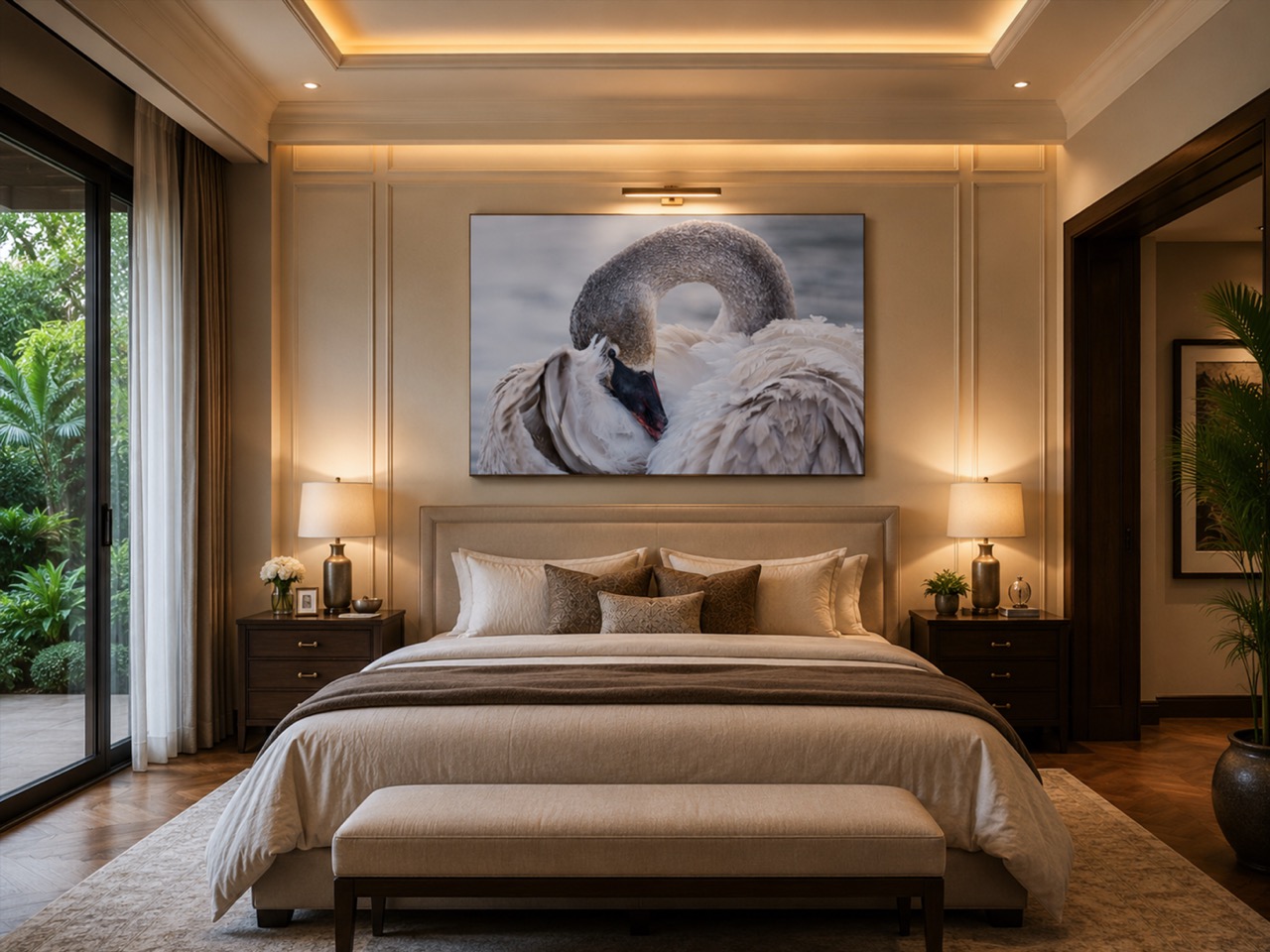
Avoid hanging large photographs directly across from windows that catch harsh midday sun. UV-filtered acrylic glazing protects against gradual fading and keeps the deep tones rich for decades.
Pairing Wildlife Photography With Horse Photography
For homes that lean toward emotion, motion, and quiet elegance, fine art horse photography brings something different to the conversation. Horses carry power and softness in the same frame, and they sit beautifully alongside wildlife photography for home decor without competing for attention.
The Ejaz Khan horse photography collection captures wild stallions running through coastal mist, standing on open beaches, and posing against grey skies in ways that feel almost cinematic.
Many collectors pair a single oversized horse piece in the foyer or master bedroom with their wildlife photography in the living room, creating a layered story that flows beautifully from room to room.
Conclusion
Where to hang wildlife photography always comes back to three things. Scale. Light. Silence. Give the piece enough wall to breathe, light it kindly, and let it speak without décor crowding it on every side. Done well, a single large wildlife photograph carries the entire room without even trying.
FAQs
Where should large-scale wildlife photography be placed in a living room?
Large-scale wildlife photography belongs above the main sofa or on the room’s primary focal wall, with the centre of the image hung 57 to 60 inches from the floor. This height matches gallery standards and lets the piece anchor the seating area without crowding nearby furniture or feeling too high on the wall.
What size wildlife photography print works best for a large wall?
Oversized wildlife photography prints measuring at least 48 by 72 inches suit large walls in homes with high ceilings or open floor plans. The print should fill roughly two-thirds the width of the wall or the furniture beneath it. Smaller prints tend to float on big walls and lose visual weight quickly.
Can wildlife photography wall art be hung in bedrooms?
Yes, wildlife photography wall art sits beautifully in bedrooms when the subject feels calm rather than aggressive. Soft scenes like elephants at dawn, deer in winter mist, or a single bird over still water suit master suites best. Predator-focused images often feel too intense for restful sleeping spaces.
How should luxury wildlife wall art be lit?
Luxury wildlife wall art should be lit with warm LED picture lights or recessed wall washers angled at about 30 degrees from above. Direct sunlight needs to be avoided, since UV rays slowly fade deep blacks and rich tones over the years. UV-filtered acrylic glazing offers extra protection for fine art wildlife photography prints displayed in bright rooms.
Born into a family of filmmakers in India, Ejaz Khan was steeped in storytelling from a young age. Pursuing his creative passions, he moved from India to the dynamic streets of New York, initially immersing himself in fashion photography. Today, Ejaz is celebrated as a fine art wildlife photographer, uniquely blending his expertise in fashion with the raw beauty of the natural world. His distinctive approach not only captures but also celebrates the majesty and fragility of wildlife, creating compelling visual narratives that resonate deeply with his audience.
Related articles:
https://ejazkhanphotography.com/blog/choose-art-for-luxury-living-rooms/